

High-Protein Meal Prep Bowls for PCOS

Updated: Jul 31
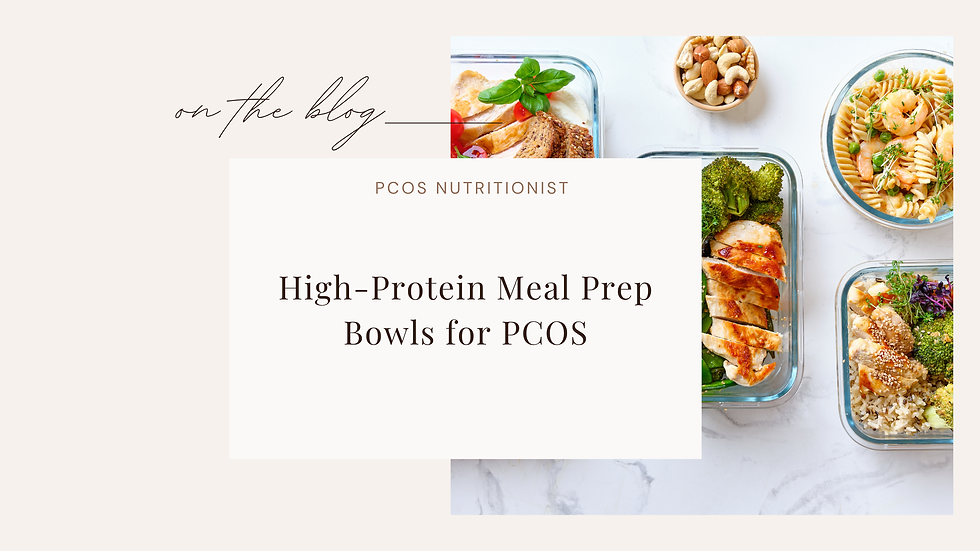
If you're trying to eat well with PCOS, lunch can often be the meal that lets you down.
Perhaps you throw together a quick salad, grab a supermarket sandwich or skip lunch altogether because you're busy.
It might seem like the healthier option at the time, but if your lunch doesn't contain enough protein, fibre and healthy fats, there's a good chance you'll be reaching for biscuits, chocolate or crisps by mid-afternoon. Read this post to learn more about why fibre and gut health are key for managing PCOS.
This is something I see regularly in clinic.
Many women tell me they eat a "healthy" lunch but still feel hungry an hour or two later. Often, it's not about eating less. It's about building meals that keep you satisfied.
That's where high-protein lunch bowls come in.
Sometimes called Buddha bowls, nourish bowls, grain bowls or power bowls, these colourful meals combine protein, vegetables, wholegrains, healthy fats and flavour-packed dressings into one balanced bowl. They're simple to prepare, easy to adapt and ideal for meal prep.
The best part is, once you understand the basic formula, you can create endless combinations using ingredients you already enjoy.
In this guide, I'll share six of my favourite lunch bowl recipes, all inspired by fresh restaurant flavours but adapted to be practical for everyday life. They're packed with colourful vegetables, plenty of plant foods and around 30g of protein per serving to help keep you feeling fuller for longer.
Why are high-protein lunches important for PCOS?
There isn't one perfect way to eat for PCOS, but building balanced meals throughout the day can make a real difference to how you feel.
Many women I work with notice they're less likely to experience afternoon energy dips or strong evening cravings when their lunch includes:
Around 25-35g of protein
Plenty of fibre-rich vegetables
Healthy fats
Slower-release carbohydrates
This combination slows digestion, keeps meals satisfying and provides a steadier release of energy compared with meals that rely mainly on refined carbohydrates.
Rather than focusing on what to cut out, I encourage clients to think about what they can add to make meals more balanced and varied to support hormones, weight and gut health.
The simple formula for a balanced lunch bowl
Every bowl in this guide follows the same approach.
1. Start with protein
Protein is what gives these bowls staying power.
Choose one main source, such as:
Salmon
Chicken
Lean steak
Halloumi
Tofu
Edamame
Chickpeas
Greek yoghurt
Lentils
Aim for around 25-35g of protein per meal where possible.
2. Add colourful vegetables
The more variety, the better.
Different coloured vegetables provide different nutrients and help increase the diversity of plants in your diet which is great for supporting gut health.
Try including at least four colours in every bowl.
Examples include:
Red cabbage
Carrots
Radishes
Tenderstem broccoli
Spinach
Rocket
Cucumber
Tomatoes
Sweetcorn
Avocado
Fresh herbs
3. Include a slower-release carbohydrate
Carbohydrates are not the enemy.
Wholegrain options can help provide sustained energy while contributing valuable fibre.
Some of my favourites include:
Quinoa
Brown rice
Black rice
Freekeh
Lentils
Chickpeas
4. Don't forget healthy fats
Healthy fats help make meals satisfying and add plenty of flavour.
Include foods such as:
Olive oil
Tahini
Avocado
Sesame seeds
Pumpkin seeds
Nuts
5. Finish with a flavour-packed dressing
The dressing is often what transforms a bowl from ordinary to something you'll actually look forward to eating.
Simple favourites include:
Miso and tahini
Lemon yoghurt
Green goddess
Soy and ginger
Chimichurri
Harissa yoghurt
Want help turning this advice into everyday habits?
Join my free 10-Day Evening Cravings Reset for one simple action each day to help you build more balanced meals, support steadier energy and feel more in control around food.
You’ll also be part of a supportive private WhatsApp group where women with PCOS can share ideas, ask questions and practise these habits together.
Recipe 1: Plant-Based Halloumi Lunch Bowl with Miso Tahini Dressing
Serves 2
Ingredients
Bowl
150g cooked quinoa
225g halloumi, sliced
1 tbsp honey
½ tsp chilli flakes
150g shelled edamame
200g chickpeas, drained
6 radishes, finely sliced
1 ripe avocado, sliced
Handful of rocket
Handful of coriander
Sesame seeds
Miso Tahini Dressing
1 tbsp white miso paste
1 tbsp tahini
1 tbsp soy sauce
Juice of ½ lime
1 tsp grated ginger
1 tsp honey
2-3 tbsp warm water
Method
Cook the quinoa according to the packet instructions.
Mix the honey with the chilli flakes.
Pan-fry the halloumi until golden on both sides before drizzling over the hot honey mixture.
Steam the edamame for 3-4 minutes.
Whisk together all of the dressing ingredients until smooth.
Divide the quinoa between two bowls and top with rocket, chickpeas, edamame, radishes and avocado.
Finish with the hot honey halloumi, dressing, coriander and sesame seeds.
Approximate protein: 28g per serving
Recipe 2: Soy Salmon Bowl with Black Rice and Pickled Cabbage
Serves 2
Ingredients
2 salmon fillets (150g each)
150g cooked black rice
2 tsp sesame oil
Marinade
1 stalk lemongrass, finely chopped
2 tbsp soy sauce
1 tsp honey
1 garlic clove, crushed
1 tsp grated ginger
Juice of ½ lime
Quick Pickled Cabbage
200g shredded red cabbage
2 tbsp rice vinegar
1 tsp sugar
Pinch of sea salt
To serve
Cucumber ribbons
Spring onions
Fresh coriander
Sesame seeds
Lime wedges
Method
Marinate the salmon for at least 20 minutes.
Toss the cabbage with the vinegar, sugar and salt and leave to pickle while you prepare the rest of the bowl.
Spread the cooked black rice onto a baking tray, drizzle with sesame oil and bake at 200°C for around 20 minutes until slightly crisp.
Bake or pan-fry the salmon until just cooked.
Divide the crispy rice between bowls before adding the pickled cabbage, cucumber and salmon.
Scatter over the herbs and sesame seeds before serving with fresh lime.
Approximate protein: 36g per serving
Recipe 3: Sriracha Steak Bowl with Green Rice and Pickled Red Onion
Serves 2
Ingredients
300g sirloin steak
2 tsp sriracha
1 tsp soy sauce
1 tsp honey
1 tsp sesame oil
Super Green Rice
150g cooked brown rice
Large handful of spinach
Handful of parsley
Handful of coriander
Juice of ½ lime
1 tbsp olive oil
Quick Pickled Onion
1 red onion, finely sliced
3 tbsp apple cider vinegar
Pinch of sea salt
To serve
Tenderstem broccoli
Sugar snap peas
Avocado slices
Sesame seeds
Method
Cover the sliced onion with vinegar and salt and leave to soften.
Blend the spinach, herbs, olive oil and lime juice into a smooth green sauce before stirring through the warm rice.
Marinate the steak with the sriracha, soy sauce, honey and sesame oil.
Cook the steak to your preferred level, then leave to rest for a few minutes before slicing.
Fill each bowl with the green rice, vegetables and sliced steak before topping with the pickled onion and sesame seeds.
Approximate protein: 34g per serving
These first three bowls show just how versatile balanced lunches can be. Whether you enjoy fish, meat or vegetarian meals, the same principles apply: start with a good source of protein, add plenty of colourful vegetables, include healthy fats and finish with a dressing that brings everything together.
Recipe 4: Sesame and Chilli Chicken Bowl with Quinoa and Corn
Serves 2
Ingredients
Chicken
2 chicken breasts
1 egg, beaten
40g wholemeal breadcrumbs
2 tbsp sesame seeds
1 tsp smoked paprika
Olive oil spray
Bowl
150g cooked quinoa
2 corn cobs (or 200g frozen sweetcorn)
½ avocado, sliced
150g cherry tomatoes, halved
½ cucumber, sliced
Fresh coriander
Chilli Yoghurt
100g full-fat Greek yoghurt
1 tsp sweet chilli sauce
½ tsp chilli flakes (optional)
Juice of ½ lime
Method
Place the chicken breasts between two sheets of baking paper and gently flatten with a rolling pin.
Dip into the beaten egg, then coat with the breadcrumbs, sesame seeds and smoked paprika.
Spray lightly with olive oil and bake at 200°C for 20–25 minutes, or cook in an air fryer until golden and cooked through.
Char the sweetcorn in a hot frying pan until lightly browned.
Mix together the yoghurt, sweet chilli sauce and lime juice.
Divide the quinoa between two bowls before adding the vegetables and charred corn.
Slice the chicken and serve with the chilli yoghurt.
Approximate protein: 42g per serving
Recipe 5: Plant-Based Falafel Lunch Bowl with Lemon Yoghurt, Spicy Tomatoes and Green Goddess Dressing
Serves 2
Ingredients
Bowl
6 falafel
150g cooked quinoa
150g shelled edamame
Mixed leaves
200g cherry tomatoes
½ cucumber, sliced
6 radishes, sliced
Fresh mint
Fresh parsley
2 tbsp pumpkin seeds
Lemon Yoghurt
200g full-fat Greek yoghurt
Zest and juice of ½ lemon
1 garlic clove, crushed
Pinch of sea salt
Black pepper
Spicy Tomatoes
1 tsp olive oil
1 tsp harissa paste
1 garlic clove, crushed
Splash of balsamic vinegar
Green Goddess Dressing
Large handful parsley
Small handful basil
Handful chives
1 tbsp tahini
1 tbsp olive oil
Juice of ½ lemon
1 tsp Dijon mustard
2 tbsp water
Method
Roast the cherry tomatoes with the olive oil, garlic, harissa and balsamic vinegar for around 20 minutes.
Blend all the Green Goddess dressing ingredients until smooth.
Stir together the lemon yoghurt ingredients.
Warm the falafel according to the packet instructions.
Divide the quinoa between bowls before adding the salad vegetables, edamame and roasted tomatoes.
Top with the falafel, both dressings and pumpkin seeds.
Approximate protein: 31g per serving
Recipe 6: Plant-Based Crispy Tofu and Cauliflower Bowl with Smashed Cucumber
Serves 2
Ingredients
Cauliflower Fritters
300g cauliflower florets
2 eggs
50g oat flour
40g mature Cheddar, grated
2 spring onions, finely sliced
1 tsp ground cumin
½ tsp smoked paprika
Crispy Tofu
250g extra-firm tofu
1 tbsp cornflour
1 tbsp soy sauce
1 tsp sesame oil
1 tsp maple syrup
1 tsp sesame seeds
Smashed Cucumber
½ cucumber
1 tbsp rice vinegar
1 tsp sesame oil
1 tsp soy sauce
Chilli flakes
Spring onions
Green Dressing
½ avocado
Large handful coriander
Juice of 1 lime
1 tbsp Greek yoghurt
1 tbsp olive oil
Splash of water
To Serve
150g cooked quinoa or brown rice
Fresh coriander
Sesame seeds
Lime wedges
Method
Steam or roast the cauliflower until tender before roughly mashing.
Mix with the eggs, oat flour, cheese, spring onions and spices. Shape into fritters and cook in a frying pan or bake until golden.
Toss the tofu with soy sauce, sesame oil and maple syrup before coating lightly in cornflour. Bake or air fry until crisp.
Smash the cucumber using the side of a knife, tear into pieces and toss with the dressing ingredients.
Blend together the green dressing.
Assemble the bowls with quinoa, fritters, crispy tofu and smashed cucumber before spooning over the dressing.
Approximate protein: 32g per serving
How to Build Your Own High-Protein Lunch Bowl
Once you know the basic formula, creating balanced lunches becomes much easier. Instead of following recipes exactly, you can mix and match ingredients depending on what's in season or what you already have in your fridge.
Step 1: Choose your protein
Aim for around 25–35g of protein.
Ideas include:
Chicken
Salmon
Tuna
Lean steak
Turkey
Halloumi
Tofu
Tempeh
Edamame
Lentils
Chickpeas
Butter beans
Greek yoghurt
Eggs
Step 2: Add a slower-release carbohydrate
Choose one:
Quinoa
Brown rice
Black rice
Freekeh
Wholegrain couscous
Lentils
Chickpeas
Mixed grains
Step 3: Fill the rest of the bowl with colourful vegetables
Aim for at least four different colours.
Examples include:
Spinach
Rocket
Red cabbage
Beetroot
Tomatoes
Peppers
Broccoli
Courgette
Radishes
Carrots
Cucumber
Sweetcorn
Roasted aubergine
Mushrooms
Step 4: Add healthy fats
Avocado
Olive oil
Tahini
Pumpkin seeds
Walnuts
Almonds
Sesame seeds
Pistachios
Step 5: Finish with flavour
Fresh herbs, citrus and dressings make all the difference.
Try:
Lemon yoghurt
Green Goddess dressing
Tahini dressing
Miso dressing
Soy and ginger
Chimichurri
Harissa yoghurt
Salsa verde
Meal Prep Tips
Lunch bowls are ideal for busy weeks because many of the ingredients can be prepared in advance.
At the beginning of the week you could:
Cook a batch of quinoa or brown rice.
Roast a tray of vegetables.
Prepare one or two protein options.
Make a dressing and store it in a jar.
Wash and prepare salad vegetables.
Pickle onions or cabbage to add flavour throughout the week.
Instead of eating exactly the same meal every day, you can mix different ingredients together to create something that feels fresh each time.
Frequently Asked Questions
Are lunch bowls good for PCOS?
They can be an excellent option when they're built around protein, fibre, healthy fats and slower-release carbohydrates. This combination creates meals that are more satisfying and can help support steadier energy levels throughout the afternoon. If you feel tired all the time this post may help you discover why.
Can I prepare these in advance?
Yes. Most ingredients will keep well in the fridge for three to four days. Store dressings separately and add avocado just before serving.
How much protein should I aim for?
Protein needs vary depending on your size, activity levels and goals, but many of my clients benefit from aiming for around 25–35g of protein at lunch as part of a balanced day.
Do I need to use quinoa?
Not at all. Brown rice, red or black rice, lentils, chickpeas, freekeh or wholegrain couscous all work well.
Are these suitable if I'm trying to lose weight?
Rather than focusing on restriction, these bowls are designed to be satisfying and balanced. Meals that contain enough protein, fibre and healthy fats can help keep you fuller for longer, making it easier to avoid constant grazing or relying on ultra-processed snacks later in the day.
Final Thoughts
One of the biggest mindset shifts I encourage clients to make is to stop asking, "What should I avoid?" and start asking, "What can I add to make this meal more balanced?"
A colourful lunch bowl makes this surprisingly simple.
Instead of counting calories or following strict food rules, you're building your plate around foods that help you feel satisfied: protein to keep you fuller for longer, colourful vegetables for fibre and variety, which supports gut health, healthy fats for flavour and slower-release carbohydrates to provide steady energy.
You don't need to recreate these recipes exactly. Use them as inspiration. Swap ingredients, use seasonal vegetables and build healthy bowls around foods you genuinely enjoy eating. Over time, you'll have a collection of balanced lunches that are quick to prepare, delicious to eat and easy to fit into everyday life.
If you're looking for more practical ways to build balanced meals with PCOS, you might also enjoy my articles on high-protein breakfasts, healthy snacks for PCOS, what to eat in a day with PCOS and protein requirements for PCOS.
Free 10-Day Evening Cravings Group Reset

If you're ready to put these ideas into practice with support and accountability, you can also join my Free 10-Day Evening Cravings Reset, where I'll show you how simple changes to your meals can help you feel more in control around food, reduce cravings and build habits that last.
I am a BANT registered nutritionist, specialising in PCOS diets to support natural pregnancy planning, fertility and weight loss for women struggling with PCOS symptoms.
Updated in 2026 to reflect new PCOS research and nutrition strategies.
Disclaimer:
This recipe page is provided for general educational purposes and does not replace individual nutrition advice. Always consult your nutritionist or healthcare provider for personalised support.


Comments