

Should You Be Doing That Too? PCOS Health Trends Worth Knowing (And Which Ones to Skip)

If you’ve spent more than five minutes scrolling health content on Instagram or TikTok lately, you’ve probably been told you should be doing something new to “fix your hormones” or “hack your metabolism.”
But before you spend another £40 on a greens powder or overhaul your life for a trend you saw online, let’s pause.
As a BANT-registered nutritionist with a special interest in PCOS and over a decade of clinical experience, I want to break down what actually works, and what might be wasting your time.
The Problem with Trend-Based PCOS Advice
The social media algorithm is built to grab attention. Content that says “stop doing this!” or “you’ve been lied to!” spreads fast, and often plays into fear, confusion, and urgency.
But PCOS doesn’t get better by bouncing between extremes or adding more to your already full plate.
Many of the trends that go viral rely on:
Costly supplements or lab tests
Hours of food prep or fasting windows
Lifestyle routines that only work if you don’t work shifts, care for young kids, or juggle multiple responsibilities
They’re often not evidence-based. And they rarely consider real women, with real lives, trying to support their health sustainably.
Let’s go through some of the most popular PCOS health trends right now and whether they’re actually worth your time and money.
1.
Greens Powders for Hormone Balance
What’s the claim? Greens powders are marketed as a shortcut to detox, gut health, hormone support, and better energy.
My view: For most women with PCOS, these are not necessary, and they’re certainly not a magic fix.
Yes, there may be some benefits for people who can’t eat properly due to illness or limited access to food.
But most commercial powders:
Don’t contain therapeutic doses of nutrients
Aren’t third-party tested (some have been found high in heavy metals)
Are expensive and overhyped
If you want more antioxidants or support for liver detoxification, add real foods: berries, cruciferous veg, leafy greens, herbs, spices, olive oil, nuts. The benefits of food-based nutrition will always outweigh a powdered blend.
2.
Ultra High-Protein Diets for Weight Loss
What’s the claim? More protein = more weight loss, better blood sugar, less cravings.
The reality? Yes, adequate protein is essential — especially for PCOS.
It helps with satiety, blood sugar balance, and body composition. But many women are being told to aim for 150–180g of protein per day without any nuance.
Here’s what the evidence says:
A sensible protein range is 1.2–1.7g per kg of body weight per day
That’s around 20–30g of protein per meal for most women
More than that may not offer extra benefit, and can increase the stress load on your system if you’re under-eating carbs or struggling with digestion
Also consider your life stage, physical activity, and menstrual cycle. A 32-year-old desk-based professional who’s recently come off the pill and wants her cycle back needs a different approach to someone training for a marathon.
Bottom line? Yes to protein, but within a balanced plate, not on it's own.
3.
Fasting for PCOS and Insulin Resistance
What’s the claim? Fasting improves insulin sensitivity and supports weight loss.
My clinical take: Time-restricted eating can be helpful in the right context.
For example:
A 12–16 hour overnight fast is a helpful baseline for many women, some perimenopausal women may benefit from longer fasts.
But if you’ve just come off the pill, are trying to get your periods back, or are actively working on ovulation, extended fasting can sometimes do more harm than good.
Especially if it leads to under-eating, low energy, or further disrupting your hormone feedback loops.
The most important thing is how you break your fast. A blood sugar-friendly meal (think: protein, fat, fibre, slow carbs) is key.
4.
Digestive Enzyme and Gut Supplement Hype
What’s the claim? Gut health is key to hormones, so take digestive enzymes, probiotics, and powders to fix it.
Partly true, but again, context matters. Gut health does influence hormones, immune function, and nutrient absorption. But the gut is also incredibly complex.
Supplementing randomly can backfire.
For example:
Taking enzymes when the root issue is low stomach acid may worsen symptoms
Certain probiotics may help one person but bloat another
The sequence of addressing digestion matters: chewing, stomach acid, bile flow, enzyme release, microbiome support
This is where professional support makes a big difference. One-size-fits-all gut stacks aren’t the answer.
5.
What About Collagen for PCOS?
Collagen has become a popular add-in for smoothies and coffee, often promoted for skin, joint and gut health.
While collagen is a rich source of glycine and proline, amino acids involved in tissue repair, there’s currently no strong evidence that collagen supplements directly support hormone balance, weight loss or fertility in PCOS.
That said, if you’re not regularly eating slow-cooked meats, bone broth or skin-on chicken, a collagen powder can be a convenient way to boost your collagen intake.
This can be especially useful if you’re working on stabilising blood sugar or improving satiety between meals. Just remember: it’s a collagen supplement, not a hormone fix.
Expensive Trends vs Real-World Strategies
Many of the current trends rely on time privilege: the ability to spend hours meal-prepping, monitoring macros, getting sunlight before 9am, or going to Pilates and cold plunges before work.
But let’s be honest. If you:
Work shifts or have a full-time job
Care for kids or elderly parents
Are already stretched thin…you don’t need a protocol that adds stress.
The real, foundational strategies that support PCOS take into account:
Blood sugar and insulin sensitivity
Gut and liver function
Circadian rhythm and cortisol
Inflammation and immune balance
Nutrient sufficiency and cellular health
These are the pillars I use with clients in my practice, and they’re what actually create sustainable progress, even with a busy life.
So, What Is Worth Your Time?
Here’s what I recommend focusing on:
A solid breakfast with protein, fat and fibre to support blood sugar and cortisol
Balanced meals throughout the day, not skipping or undereating
Sleep, light exposure and movement, not perfection, just consistency
Targeted supplements only if needed, ideally based on testing
Supporting your gut and hormones step-by-step, not all at once
Being realistic about your time, your stress, and your goals
And if you’re in that space where your periods are missing, cravings are high, and your body doesn’t feel like it’s responding to anything, there is a way forward that doesn’t involve a supplement stack or extreme restriction.
Final Thoughts
There is no one trend that “fixes” PCOS. No powder, fasting window, or gut stack that works for everyone.
My work is grounded in evidence-based nutrition, real physiology, and what I’ve seen in practice again and again: When you focus on the root causes, and you personalise the plan, women feel better.
Not overnight. But over time, with a realistic, consistent, and supportive approach, symptoms shift.
You don’t need to jump on every new health trend. You need a plan that works for you.
Ready to take the next step?

If you’ve come off the pill, or feel like your cycle, weight and hormones have gone haywire, my 12-week PCOS Hormone Shift Method gives you practical, step-by-step support to get back on track.
Learn more about the programme here or join my free 7-day PCOS challenge to get started.
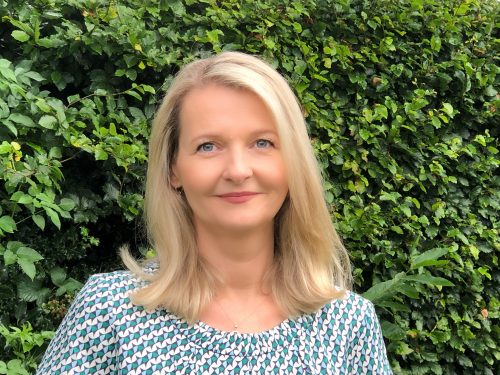
I'm Lisa, BANT registered nutritionist and health coach, specialising in PCOS.
I work with women, locally in Manchester and online, consultations are available across the UK and Europe. Book a free discovery call today!
Updated in July 2025 to reflect new PCOS research and nutrition strategies.
DISCLAIMER: The content on this webpage is not intended to be a substitute for professional medical advice, diagnosis, or treatment. Always seek the advice of your doctor or qualified healthcare provider. Never disregard professional medical advice or delay in seeking it because of something you have read on this website.


Women’s health, hormone balance recipes and more.